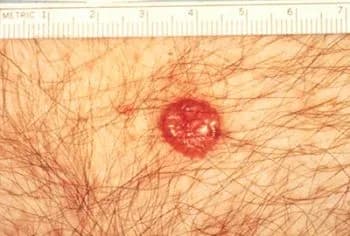
Cancerous Lesions
A new or changing spot deserves a closer look. Our dermatology team evaluates suspicious lesions, explains the findings, and helps you understand your treatment options.
About the Condition
If you have a spot you're concerned about, or it's time for a skin check, your provider starts with an exam. When a lesion needs further evaluation, an in-office biopsy can help identify what it is and guide the next step.
Causes
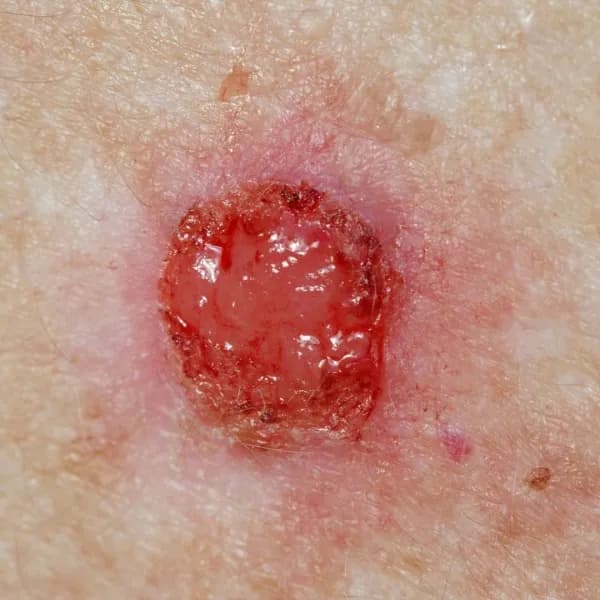
Ultraviolet exposure from the sun or tanning beds can damage skin cell DNA over time. A history of sunburns, fair skin, immune suppression, and family history can also increase risk.
Symptoms To Watch For
- A new mole or spot that looks different from others
- A mole changing in size, shape, or color
- A sore that does not heal within a few weeks
- A spot that itches, bleeds, or crusts
- Asymmetry or irregular borders
Who’s At Risk
Fair skin, light eyes or hair, significant sun exposure, a history of sunburns, many moles, or a family history of skin cancer can raise risk. Anyone can develop skin cancer, regardless of skin tone.
Evaluation & Treatment Options
Skin Cancer Screening
A full-body exam to identify spots that need closer evaluation.
Biopsy & Diagnosis
An in-office biopsy helps determine the type of lesion and next steps.
Mohs Surgery
Fellowship-trained surgeons offer precise, layer-by-layer treatment when appropriate.
Additional Treatment
Excision, superficial radiation, and other options depend on the diagnosis and location.
Outlook & Living With It
Many skin cancers have excellent outcomes when caught early. After treatment, your care team can recommend a regular monitoring schedule based on your diagnosis and history.
Frequently Asked Questions
How often should I get a skin check?
Once a year for most people, more often with a personal or family history.
What treatment will I need?
It depends on the type, size, and location of the lesion. Your provider will explain your options after evaluation and diagnosis.
Is a biopsy painful, and how long do results take?
Biopsies are performed with local anesthetic and are typically quick; results usually come back within a week to 10 days.