
Vitiligo
Patches of skin losing pigment can be unpredictable. Our providers help you understand it and explore repigmentation options.
About the Condition
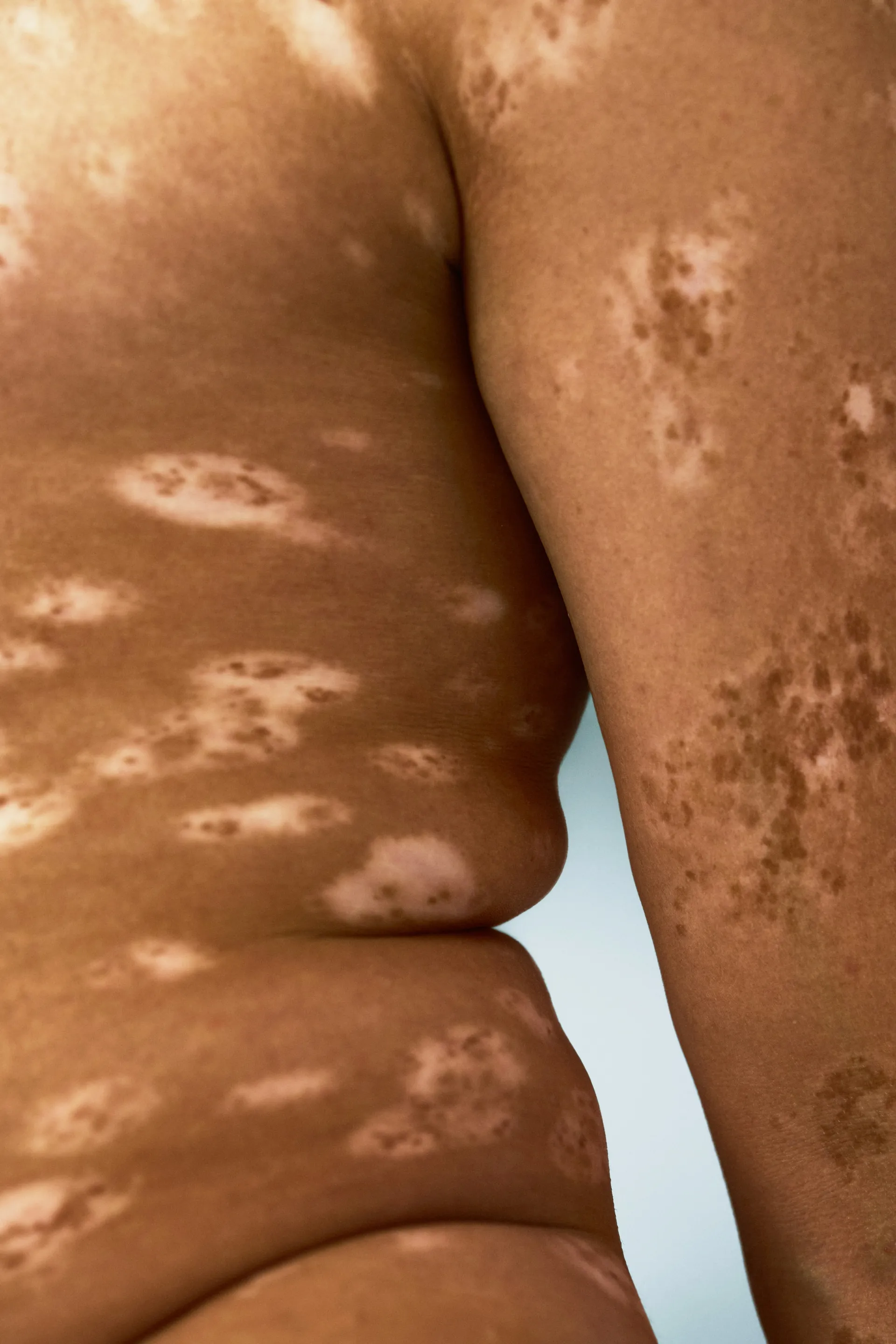
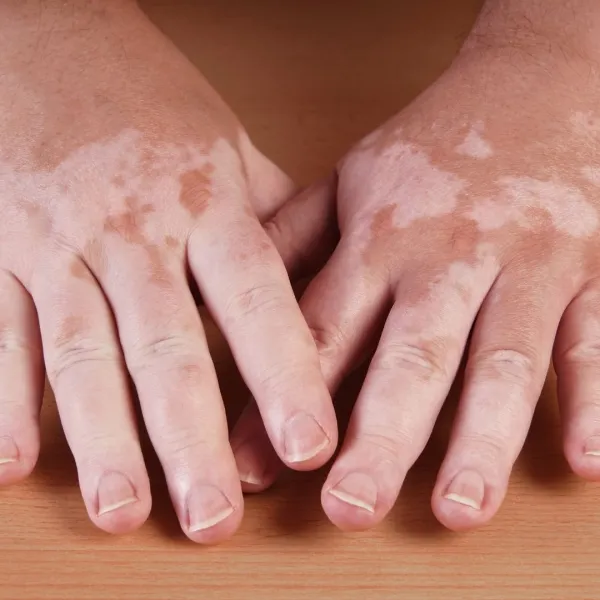
Vitiligo is an autoimmune condition where the immune system affects pigment-producing cells. We confirm the diagnosis, discuss how it may progress, and go over treatment and management options together.
How We Treat It
Topical Treatment
Prescription creams to help repigment affected areas.
Light Therapy
Phototherapy to stimulate repigmentation.
Excimer Laser (XTRAC®)
Targeted 308 nm excimer light for repigmenting smaller, localized patches.
Superficial Radiation Therapy (SRT)
Ask your provider whether SRT is an option for your vitiligo.
Camouflage & Support
Cosmetic options and guidance for living with vitiligo.
Outlook & Living With It
Vitiligo is different for everyone. Some patches stay stable for years, while others change over time. Treatment can help restore color for many patients, most often on the face, and can slow the spread of new patches. Results take patience, usually several months, and are not guaranteed.
Living With It
Skin without pigment burns easily, so use a broad spectrum sunscreen and protective clothing every day. Cosmetic cover products and self tanners can even out skin tone if you choose. Vitiligo can affect how you feel, and you are not alone; let us know if you would like support resources.
Frequently Asked Questions
Is vitiligo contagious?
No. Vitiligo cannot be passed from person to person.
Will vitiligo spread?
It is hard to predict. Some people have a few stable patches, while others see new patches over time. Treatment may help slow spreading.
Which treatments work best?
It depends on where the patches are and how active the vitiligo is. Prescription creams, light therapy, and the XTRAC laser are common options, sometimes used together.
How long does repigmentation take?
Color usually returns slowly, often starting as small dots of pigment. Most treatments need at least 3 to 6 months before results are clear.
Is vitiligo linked to other health conditions?
Vitiligo is sometimes associated with other autoimmune conditions, such as thyroid disease. Your provider may suggest checking with your primary care provider.