Skin Cancer
Early detection saves lives. Our board-certified dermatologists specialize in catching, diagnosing, and treating skin cancer, including fellowship-trained Mohs surgery.
About the Condition
If you have a spot you're concerned about, or it's just time for your annual skin check, we start with a full-body exam. If it turns out to be skin cancer, our fellowship-trained Mohs surgeons offer the gold-standard treatment.
Causes
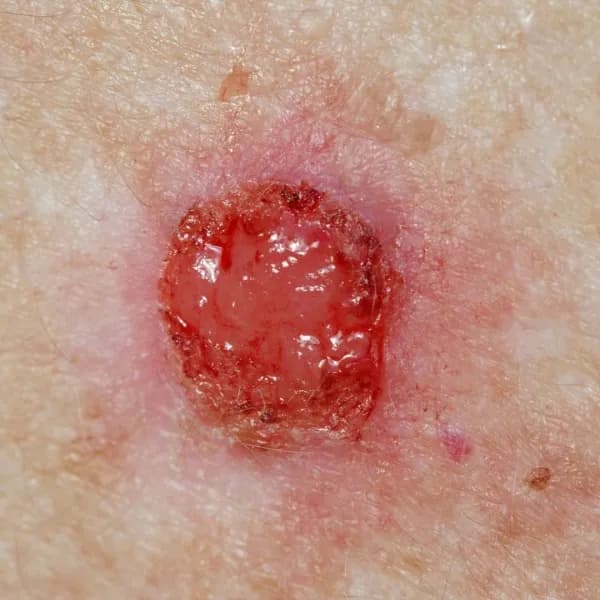
The leading cause is UV exposure from the sun or tanning beds, which damages skin cell DNA over time. Fair skin, a history of sunburns, immune suppression, and family history all increase risk.
Symptoms To Watch For
- A new mole or spot that looks different from others
- A mole changing in size, shape, or color
- A sore that doesn't heal within a few weeks
- A spot that itches, bleeds, or crusts
- Asymmetry or irregular borders (ABCDE rule)
Who’s At Risk
Fair skin, light eyes/hair, significant sun or tanning bed exposure, a history of sunburns, many moles, or a family history of skin cancer all raise risk. Anyone can develop it, regardless of skin tone.
How We Treat It
Skin Cancer Screening
Full-body exams to catch anything early.
Biopsy & Diagnosis
In-office biopsy with fast, accurate results.
Mohs Surgery
Fellowship-trained surgeons offering the gold-standard treatment.
SRT
Superficial Radiation Therapy, a non-surgical option.
Excision
Surgical removal with margin.
Electrodessication & Curettage
Scraping and cauterization for select cancers.
Photodynamic Therapy
Light-activated treatment for precancerous lesions.
Outlook & Living With It
Most skin cancers have excellent outcomes when caught early. After treatment, we set patients up on a regular monitoring schedule.
“The providers at Clear Choice truly listen and take the time to create a plan that works.”
Frequently Asked Questions
How often should I get a skin check?
Once a year for most people, more often with a personal or family history.
What treatment will I need?
It depends on the type, size, and location. See our Basal Cell Carcinoma, Squamous Cell Carcinoma, and Melanoma pages for type-specific detail, or ask your provider.
Is a biopsy painful, and how long do results take?
Biopsies are done under local anesthetic and are typically quick; results usually come back within a week to 10 days.
Does insurance cover skin cancer screening?
Most insurance plans cover medically necessary skin exams, and we'll verify your specific plan.
Can skin cancer come back after treatment?
It's possible, which is why we set patients up on a regular follow-up screening schedule after treatment.
What's the difference between a mole check and a full skin exam?
A full-body skin exam checks every area, not just moles you're already concerned about. See our Full Body Skin Exams page.