
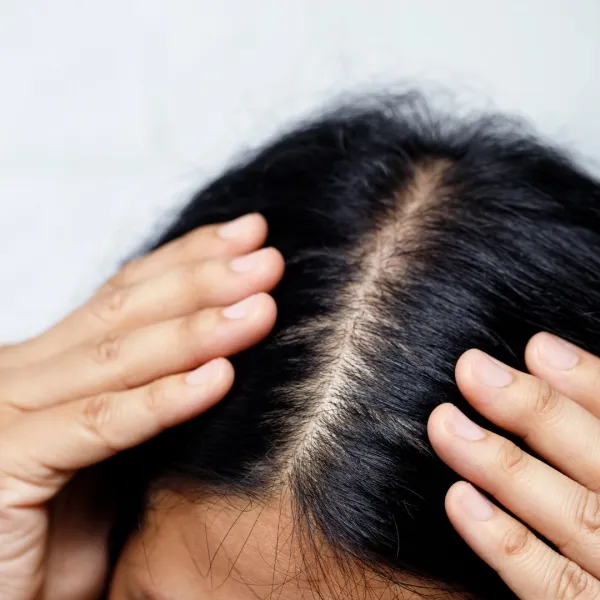
Hair Loss
Thinning hair is common, and more treatable than most people realize. The key is figuring out the cause early.
About the Condition
Hair loss can come from a lot of different places: genetics, hormones, stress, or an underlying health issue. Your provider looks at the pattern and timeline to figure out what's driving it.
Causes
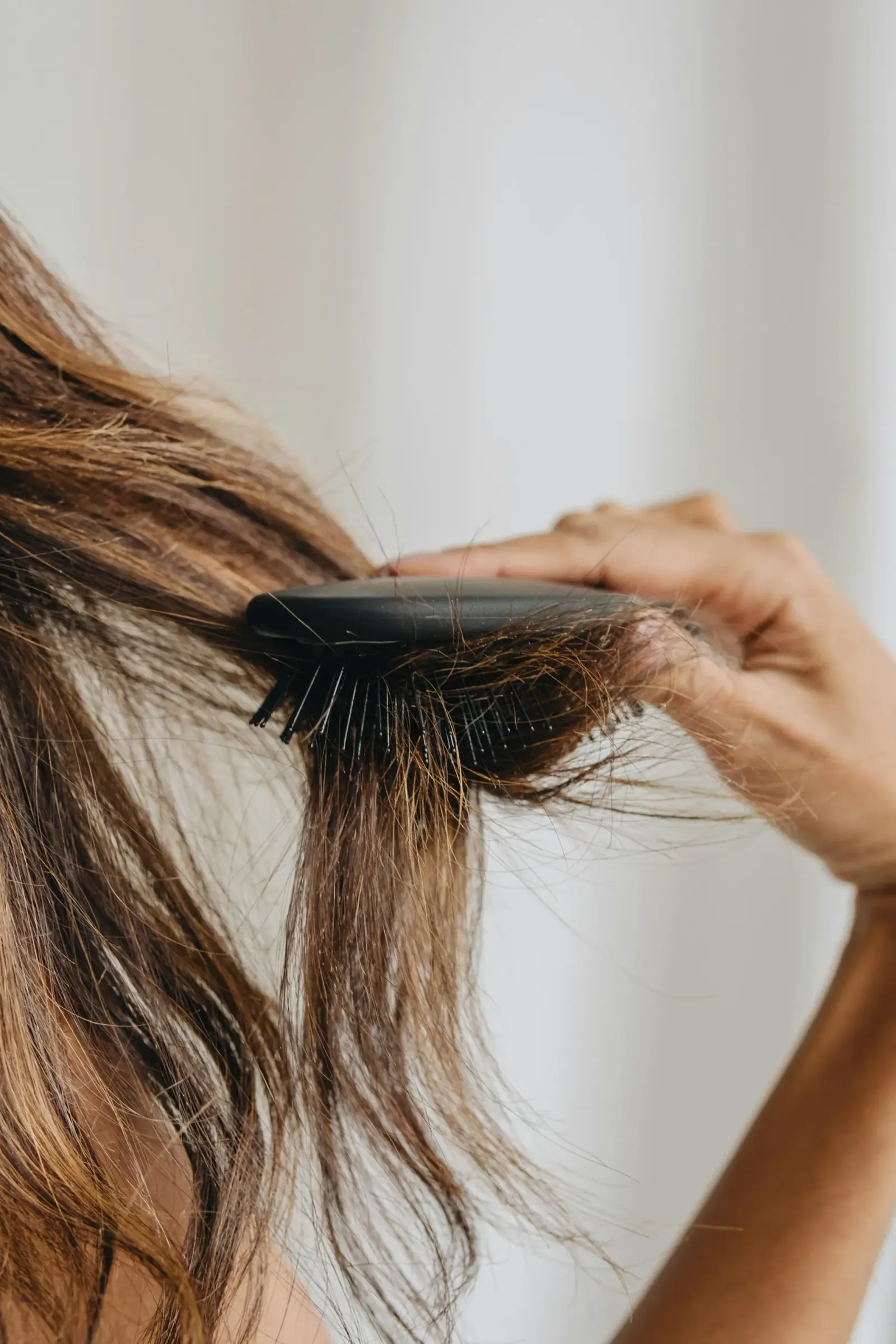
The most common cause is androgenetic (pattern) hair loss, which is genetic. Other causes include hormonal changes, thyroid conditions, nutritional deficiencies, high stress, certain medications, and autoimmune conditions like alopecia areata.
Symptoms To Watch For
- Gradual thinning at the crown or part
- Receding hairline
- Patchy or sudden hair loss
- Increased shedding when washing/brushing
- Visible scalp through thinning hair
Who’s At Risk
Family history is the strongest predictor of pattern hair loss. Postpartum, menopause, major stress, and rapid weight loss can also trigger temporary shedding at any age.
How We Treat It
Topical & Oral Medication
Prescription treatment to slow loss and support regrowth.
PRP Therapy
In-office treatment using your own plasma to stimulate the scalp.
Nutrafol & Supplement Support
Provider-recommended supplements to support hair health from within.
Outlook & Living With It
Outcomes vary by cause. Pattern hair loss is manageable but progressive without treatment, while stress- or hormone-related shedding often fully resolves once the trigger is addressed.
“I finally found a dermatologist who explains everything and doesn’t rush the visit.”
Frequently Asked Questions
How long until I see results?
Most hair regrowth treatments take 3 to 6 months to show visible results.
Is hair loss always permanent?
Not always. The earlier it’s addressed, the better the outcome.
Is hair loss hereditary?
Pattern hair loss is the most common form and is largely genetic, passed from either side of the family.
Can stress really cause hair loss?
Yes. Significant stress can trigger a temporary shedding phase called telogen effluvium, usually a few months after the stressful event.
Does PRP therapy actually work?
Many patients see meaningful improvement, especially combined with topical treatment. Your provider will set realistic expectations for your case.
Is hair loss treatment covered by insurance?
Coverage varies. Cosmetic treatments are typically out of pocket, but we'll confirm what applies to your plan.