Keloid & Hypertrophic Scars
Raised, thickened scars from an injury, piercing, or acne: treatable and, in many cases, preventable.
About the Condition
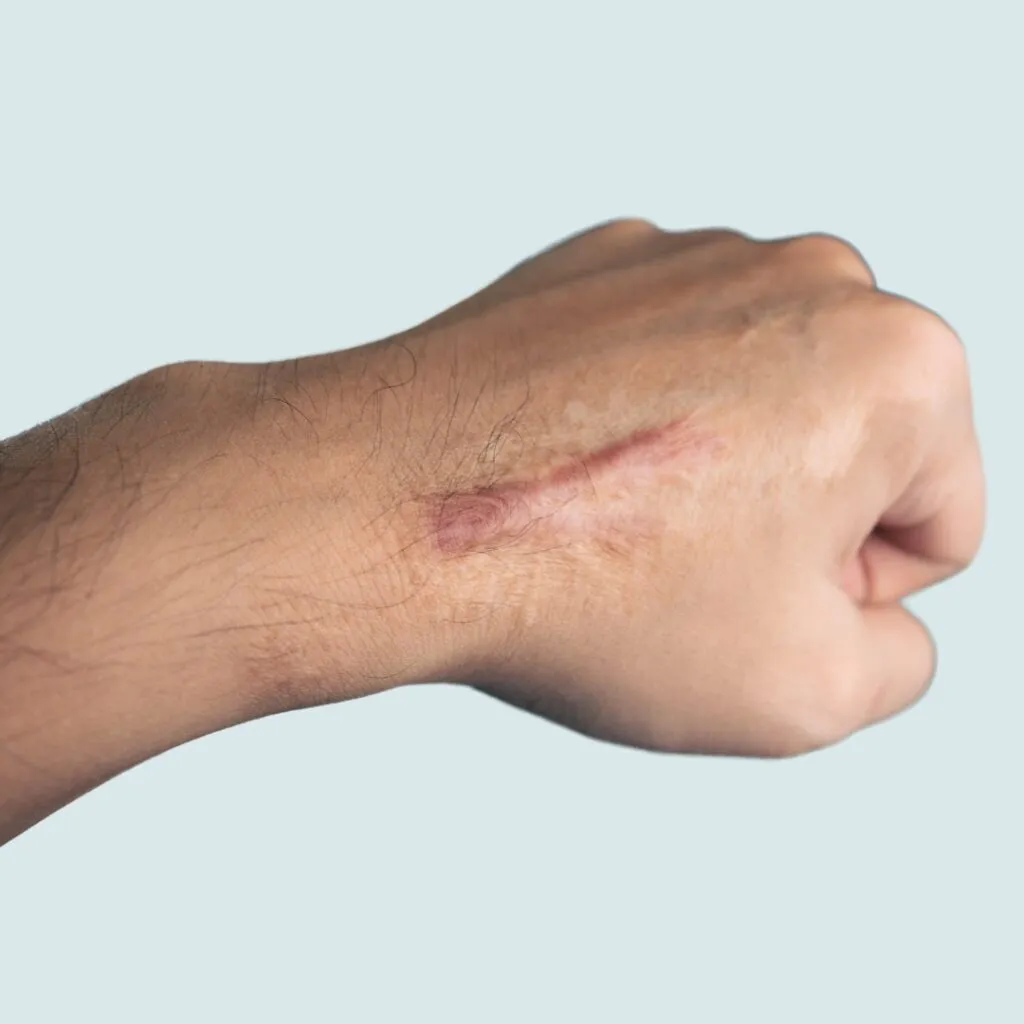
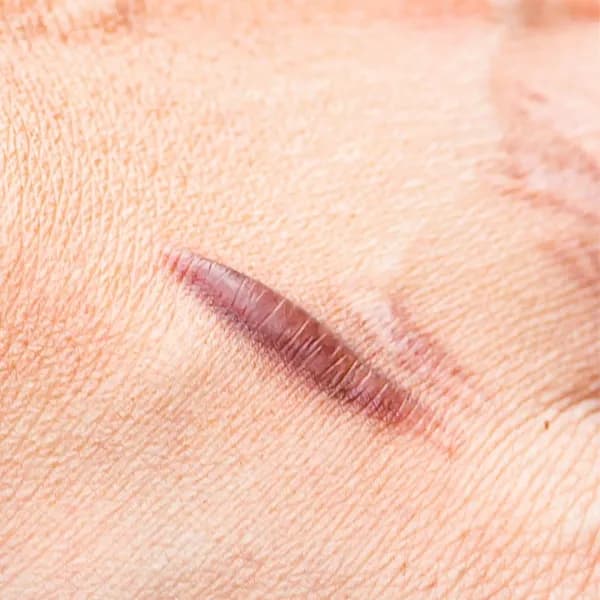
Keloids grow beyond the original wound; hypertrophic scars stay within it but are still raised and thick. We evaluate which type you have, since treatment differs.
How We Treat It
Intralesional Injections
Steroid injections to flatten and soften raised scars.
Laser Treatment
Reduce redness and improve scar texture.
Surgical Revision
For scars that don't respond to non-surgical treatment.
Outlook & Living With It
Treatment can flatten, soften, and fade raised scars and ease itching or tenderness. Keloids can be stubborn and may return, so a series of treatments and follow up visits is common. Hypertrophic scars often improve more readily and may continue to soften over time.
Living With It
Protect scars from the sun, which can darken them. Avoid rubbing or pressure on the area, and let us know if a scar starts to grow, itch, or hurt again so we can treat it early. If you know you form keloids, talk with us before piercings, tattoos, or elective procedures.
Frequently Asked Questions
What is the difference between a keloid and a hypertrophic scar?
A hypertrophic scar stays within the borders of the original wound. A keloid grows beyond those borders and is more likely to come back after treatment.
Can keloids be removed completely?
They can often be reduced a great deal, but keloids can return, especially after surgery alone. Surgery is usually combined with injections or other treatment to lower that risk.
How many steroid injections will I need?
Most people need a series of injections spaced several weeks apart. Your provider will adjust the plan based on how the scar responds.
Who is more likely to get keloids?
Keloids are more common in people with a family history of keloids, people with darker skin tones, and on areas like the chest, shoulders, and earlobes.
Can I prevent keloids?
If you are prone to them, early treatment of new wounds, silicone sheets or gels, and avoiding unnecessary skin trauma can help. Ask us before any planned procedure.