Skin cancer is the most common form of cancer in the United States, affecting millions of people each year. Fortunately, when detected early, most skin cancers are highly treatable. At Clear Choice Dermatology, our board-certified dermatologists and experienced providers specialize in the diagnosis, treatment, and prevention of skin cancer, helping patients protect their skin and overall health.
Basal Cell Carcinoma (BCC)
Basal cell carcinoma is the most common type of skin cancer. It typically develops after years of sun exposure and often appears as a pearly bump, pink patch, or sore that won't heal. While basal cell carcinoma rarely spreads to other parts of the body, it can continue to grow and damage nearby skin and tissue if left untreated.
Treatment depends on the size and location of the cancer. Many basal cell carcinomas are treated with a simple surgical excision or electrodesiccation and curettage (ED&C). For cancers located on cosmetically sensitive areas such as the face, Mohs micrographic surgery offers the highest cure rate while preserving as much healthy tissue as possible.
Squamous Cell Carcinoma (SCC)
Squamous cell carcinoma is the second most common type of skin cancer. It often appears as a rough, scaly patch, thickened bump, or sore that may bleed or crust. Like basal cell carcinoma, SCC is commonly caused by cumulative sun exposure, but it has a greater chance of spreading if not treated promptly.
Treatment options include surgical excision, Mohs surgery for higher-risk tumors, or other procedures depending on the size, depth, and location of the lesion. Early diagnosis greatly improves treatment success and helps minimize scarring.
Melanoma
Melanoma is less common than basal or squamous cell carcinoma, but it is the most serious form of skin cancer. It develops from pigment-producing cells called melanocytes and can spread rapidly if not detected early.
Melanoma often appears as a changing mole or a new dark spot with irregular borders, multiple colors, or an unusual shape. Dermatologists recommend watching for the ABCDEs of melanoma: Asymmetry, Border irregularity, Color variation, Diameter larger than 6 mm, and Evolution or change over time.
Treatment usually begins with surgical removal. Depending on how advanced the melanoma is, additional treatments such as sentinel lymph node biopsy, immunotherapy, targeted therapy, or medical oncology referral may be recommended. Early detection dramatically improves outcomes.
Why Early Detection Matters
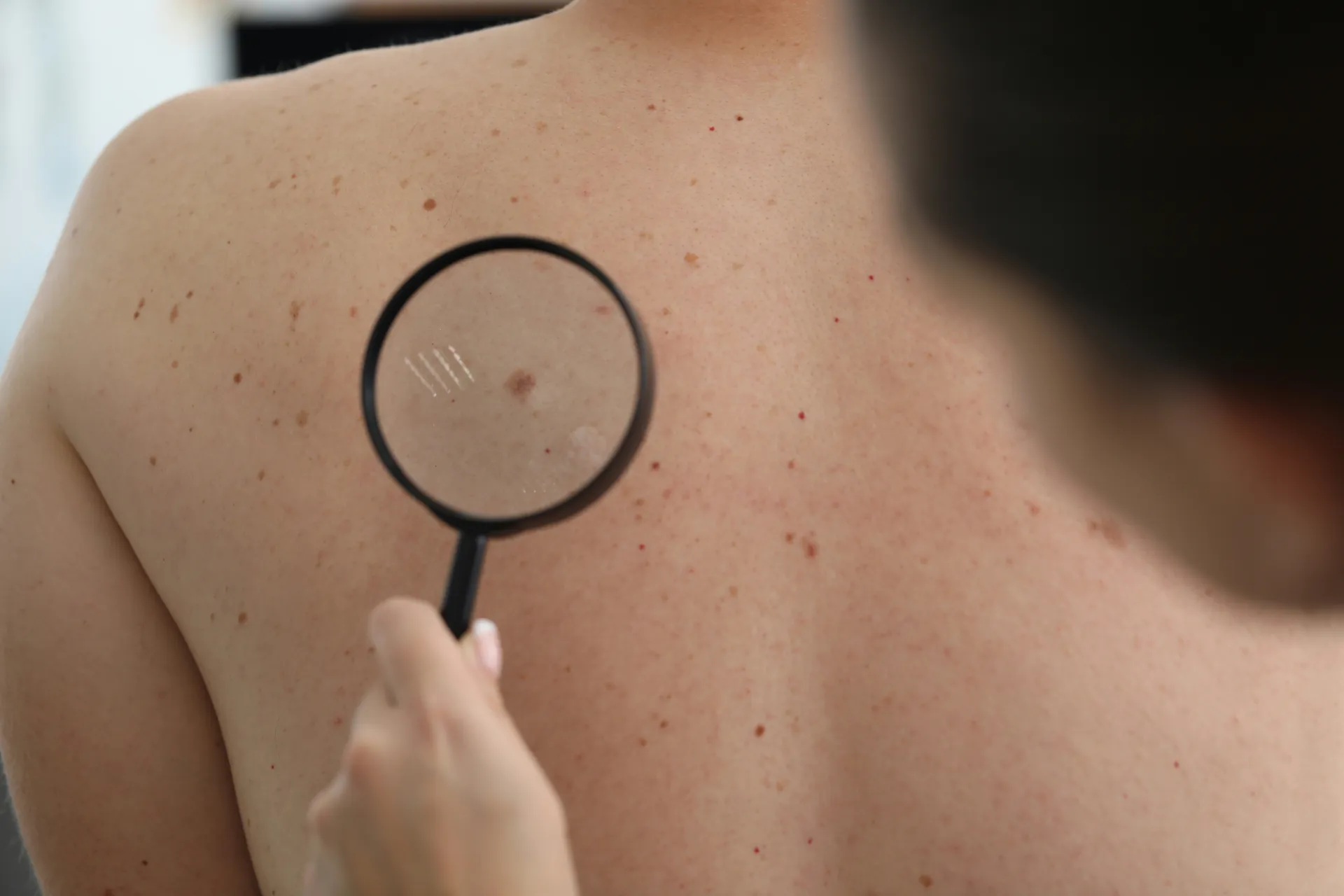
The sooner skin cancer is identified, the easier it is to treat. Regular skin examinations are one of the best ways to catch skin cancer before it becomes more serious. If you notice a changing mole, a sore that won't heal, or any new or unusual growth, it's important to schedule an evaluation with a dermatology provider.
At Clear Choice Dermatology, we provide comprehensive skin cancer screenings, biopsies, surgical excisions, Mohs surgery, and ongoing skin surveillance for patients of all ages. Our team is committed to providing compassionate, expert care using the latest evidence-based treatments.
If you're due for a skin check or have concerns about a suspicious spot, we'd be happy to welcome you as a patient. Clear Choice Dermatology proudly serves communities throughout Oregon and Washington, including Lake Oswego, Hillsboro, Salem, Warrenton, and Federal Way, making expert dermatologic care convenient wherever you live.
Healthy skin starts with prevention, and regular visits to a trusted dermatology provider can make all the difference. Schedule your skin cancer screening with Clear Choice Dermatology today and take an important step toward protecting your health.